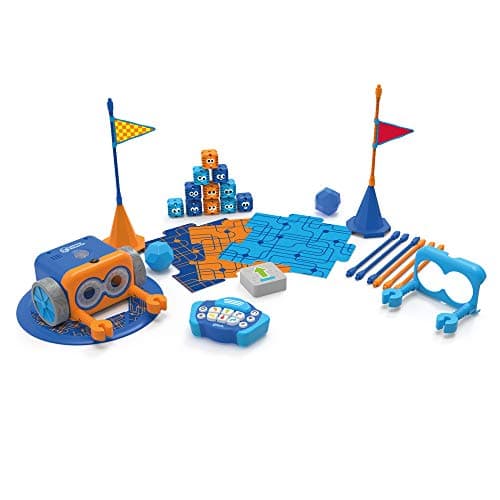
Botley 2.0 reviewed
Botley 2.0 Review
The published numbers on Botley 2.0, what they mean in practice, and who should not buy it.
Top pick
Botley 2.0 The Coding Robot Activity Set
Category
One product at a time, from the manufacturer's own published numbers — and no star rating, because we have not tested it.
The short answer
These are single-product pages for toys people look up by name. Each one compiles the manufacturer’s published specifications, does the arithmetic, applies the Replay Signal, and says plainly who should skip it. What none of them carries is a star rating, because a rating would imply we had used the product, and we have not.
Block & Beaker earns a commission when you buy through our links, at no cost to you. It never changes a ranking, and we say so plainly when the right answer is the cheaper set, or nothing at all. Full disclosure · How we pick.

Start here
In this section
Each one carries its top pick’s live price and a buy link, so you never have to click twice to find out what something costs.
Botley 2.0 reviewed
The published numbers on Botley 2.0, what they mean in practice, and who should not buy it.
Top pick
Botley 2.0 The Coding Robot Activity Set

KiwiCo reviewed
KiwiCo's published age ladder and cadence, with the annual comparison against buying one large set instead.
Top pick
Kiwi Crate monthly subscription
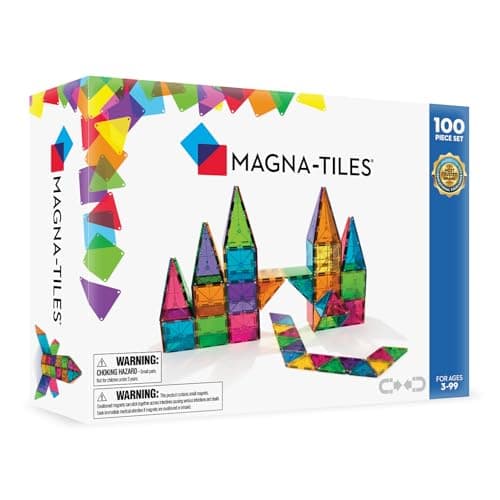
Magna-Tiles Classic reviewed
What the published 100-piece shape breakdown actually buys you, and the one buyer who should get something else.
Top pick
MAGNA-TILES Classic 100-Piece Set

Connetix Rainbow reviewed
The published construction detail, why the door pieces change the play, and who should buy the plainer box instead.
Top pick
CONNETIX Rainbow Creative Pack, 100 Pieces
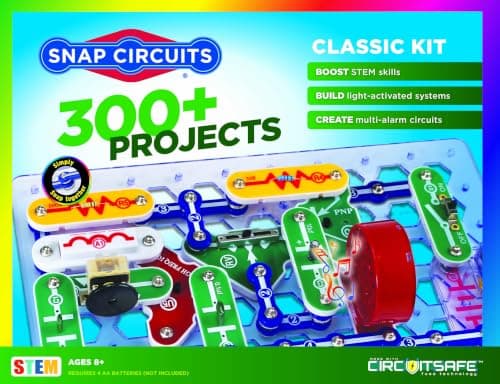
Snap Circuits Classic reviewed
Why the SC-300 is the set to buy in a six-set line, and the two buyers who should get a different box.
Top pick
Snap Circuits Classic
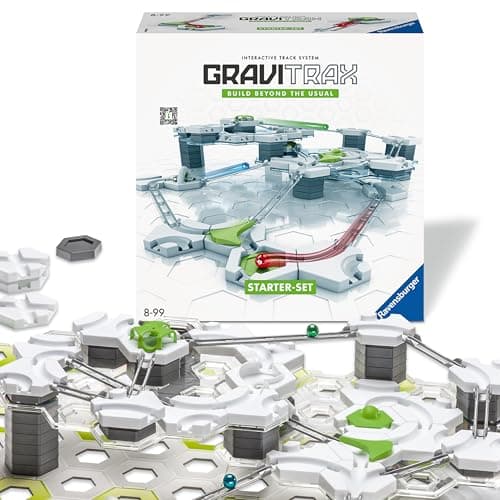
GraviTrax reviewed
Why the element-type count matters more than the piece count, and who should buy a simpler marble run.
Top pick
GraviTrax Starter Set
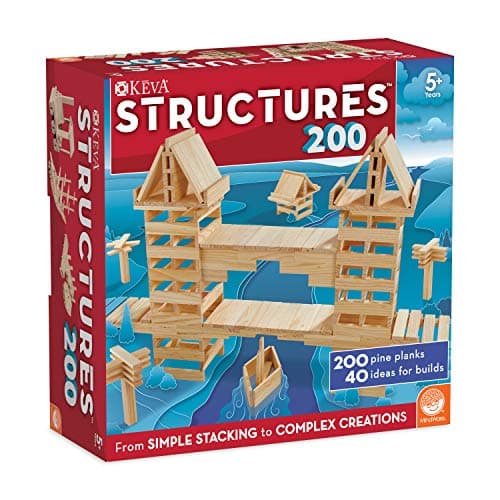
KEVA Structures reviewed
The set with the fewest features and the highest ceiling, and the child who will hate it.
Top pick
KEVA Structures 200 Plank Set
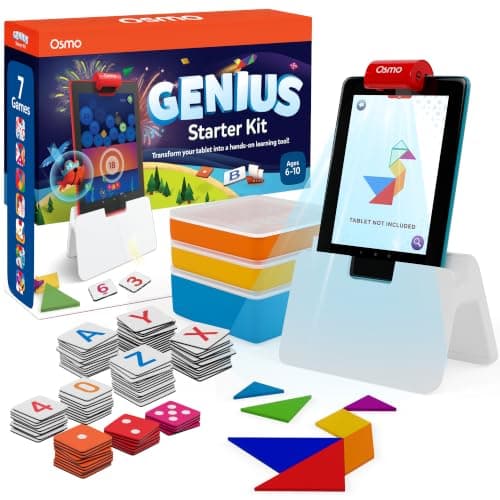
Osmo Genius reviewed
Five games in one box, and the published dependency that decides whether any of them get played.
Top pick
Osmo Genius Starter Kit for iPad
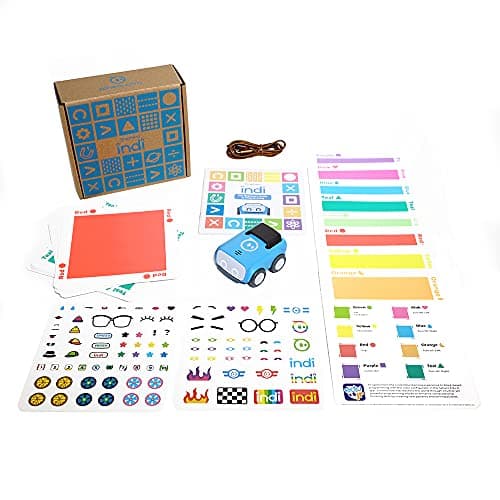
Sphero indi reviewed
The only screen-free coding robot with a published path to real block coding on the same hardware.
Top pick
Sphero indi At-Home Learning Kit

Chem C500 reviewed
A real chemistry set with a real ending, and why knowing the ending before you buy is the whole review.
Top pick
Thames & Kosmos Chemistry C500
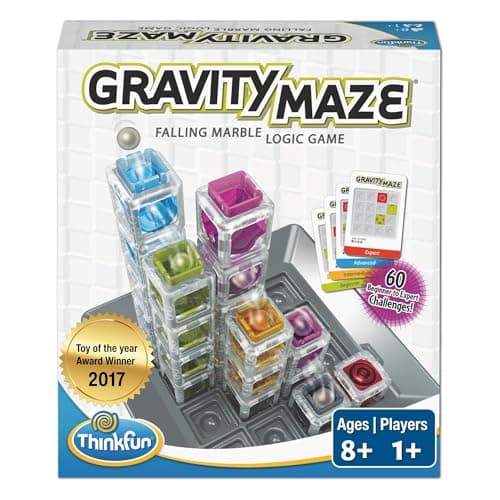
Gravity Maze reviewed
A very good logic game with a published expiry date, and why that makes it a second present rather than a first.
Top pick
ThinkFun Gravity Maze
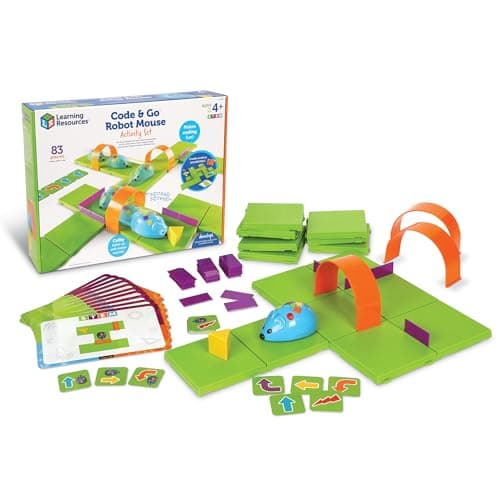
Robot Mouse reviewed
The coding toy that works a full year earlier than the rest, and why the maze matters more than the mouse.
Top pick
Code & Go Robot Mouse Activity Set
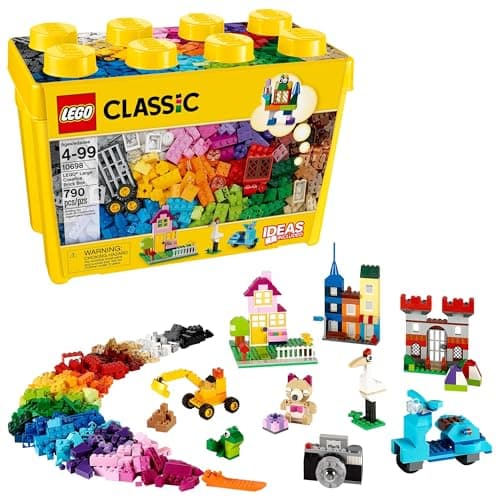
LEGO Classic 10698 reviewed
The box with no model to build, why that is the point, and who should buy a themed set instead.
Top pick
LEGO Classic Large Creative Brick Box
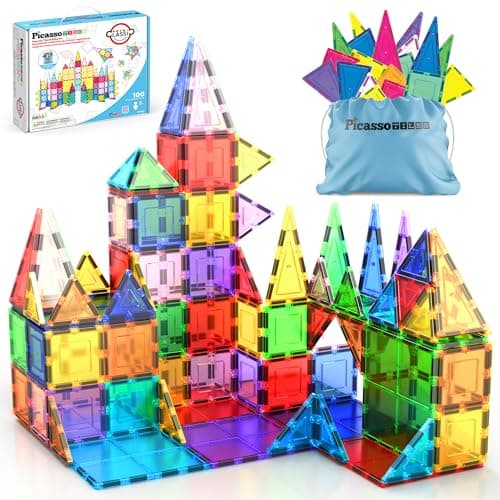
PicassoTiles reviewed
The cheapest route to a serious tile count, and the two things the manufacturer declines to tell you.
Top pick
PicassoTiles 100 Piece Magnetic Tile Set

Magformers reviewed
The set that solves the wrong-pole problem, and why it is not the magnetic tile set you think you are buying.
Top pick
Magformers Basic 62-Piece Set

Brain Flakes reviewed
The cheapest large construction set that names its safety standards, and what curved building actually gives you.
Top pick
Brain Flakes 500 Piece Interlocking Disc Set

K'NEX 35 Model reviewed
The set that builds machines rather than buildings, and why rod-and-connector geometry works differently.
Top pick
K'NEX 35 Model Building Set

Lincoln Logs reviewed
Why notch-only joining is the reason a three-year-old can build with these, and what it costs at seven.
Top pick
Lincoln Logs 100th Anniversary Tin

Quadrilla Vertigo reviewed
The wooden marble run where the blocks hide the logic, and why the wood matters mechanically.
Top pick
Quadrilla Wooden Marble Run: Vertigo
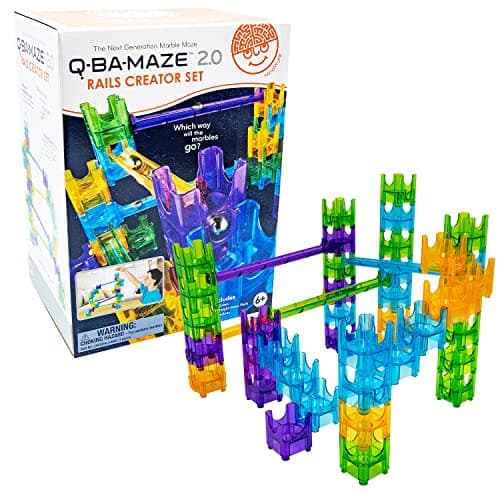
Q-BA-MAZE reviewed
The marble run with no correct answer, and why the published exit mix is the whole design.
Top pick
Q-BA-MAZE 2.0 Big Box

Mega Science Lab reviewed
Why two-thirds of the published content in this kit never runs out, and what that is worth.
Top pick
NATIONAL GEOGRAPHIC Mega Science Lab
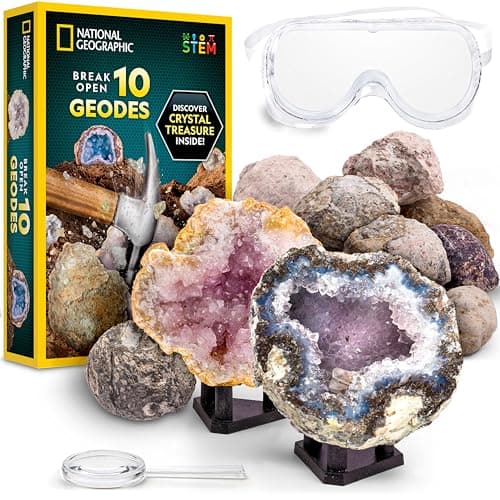
Break Open Geodes reviewed
The clearest example on this site of a kit that ends, and why that is fine if you know before you buy.
Top pick
NATIONAL GEOGRAPHIC Break Open 10 Premium Geodes
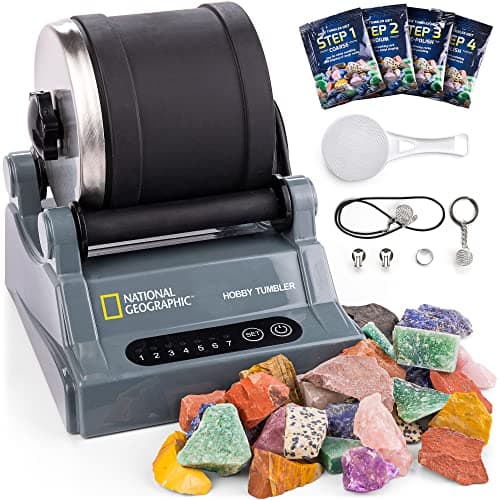
Rock tumbler reviewed
The geology purchase where the machine outlives the supplies, and the patience it quietly requires.
Top pick
NATIONAL GEOGRAPHIC Hobby Rock Tumbler Kit
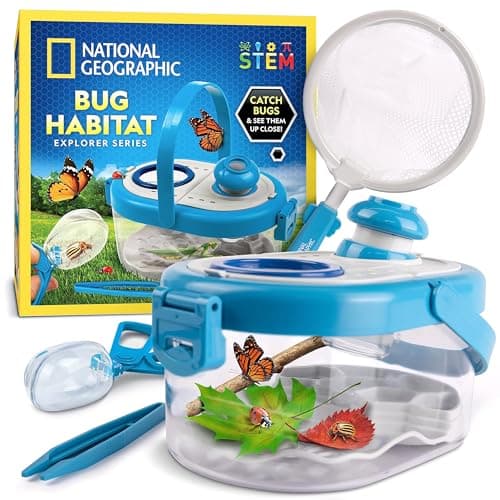
Bug Catcher Kit reviewed
The cheapest permanent science purchase on this site, and the one specification that makes it work at four.
Top pick
NATIONAL GEOGRAPHIC Bug Catcher Kit

Duo-Scope reviewed
Why dual lighting and blank slides matter more than the magnification number on any box.
Top pick
My First Lab Duo-Scope Microscope
Not stocked on Amazon. This link goes to the maker and we earn nothing on it.
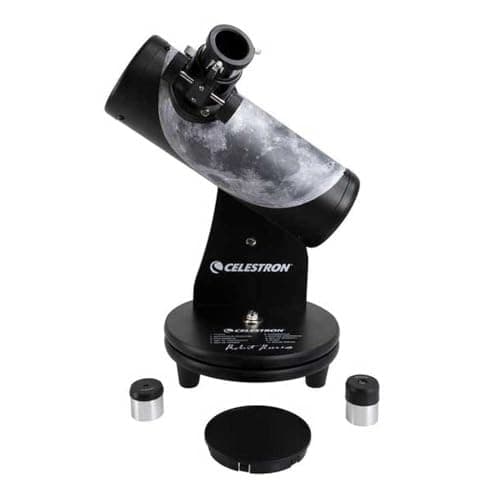
FirstScope reviewed
Why the mount matters as much as the aperture, and what a 76mm telescope will and will not show.
Top pick
Celestron FirstScope Telescope
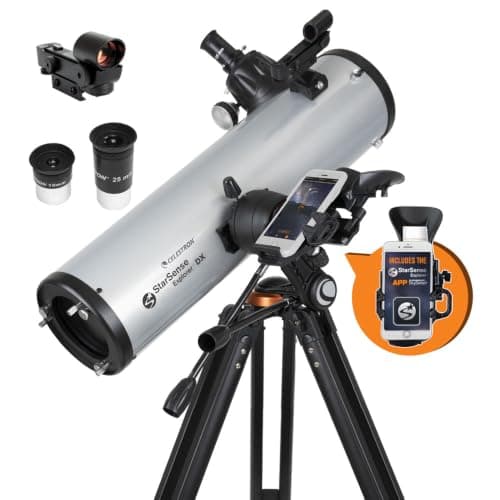
StarSense DX 130AZ reviewed
The telescope that solves the problem that ends most first telescope nights: not finding anything.
Top pick
Celestron StarSense Explorer DX 130AZ

4M Crystal Growing reviewed
Seven results spread over weeks, and the patience requirement nobody prints on the box.
Top pick
4M Crystal Growing Experiment Kit
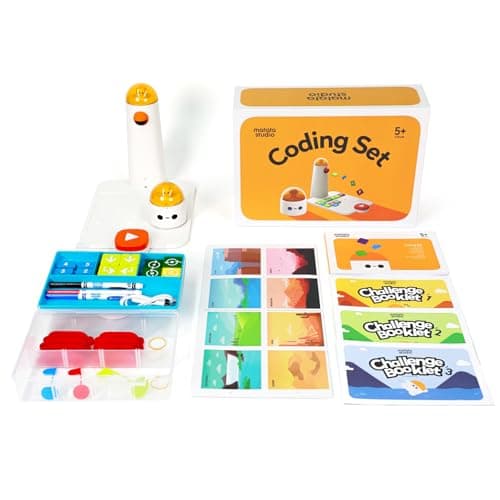
Matatalab reviewed
The only coding robot here published as app-free and internet-free, with rechargeable cells throughout.
Top pick
MatataStudio (Matatalab) Coding Set
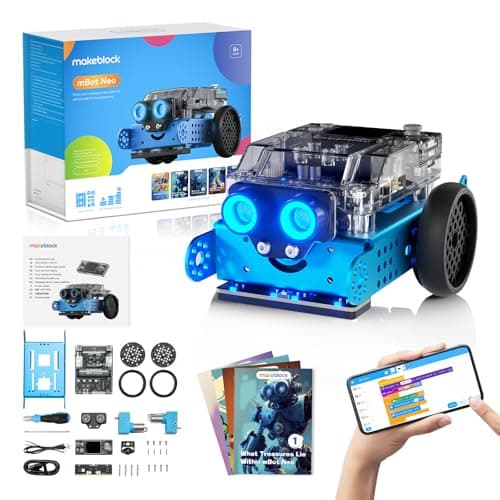
mBot Neo reviewed
The one robot here a child does not outgrow at eleven, and the published reason why.
Top pick
Makeblock mBot Neo (mBot2)
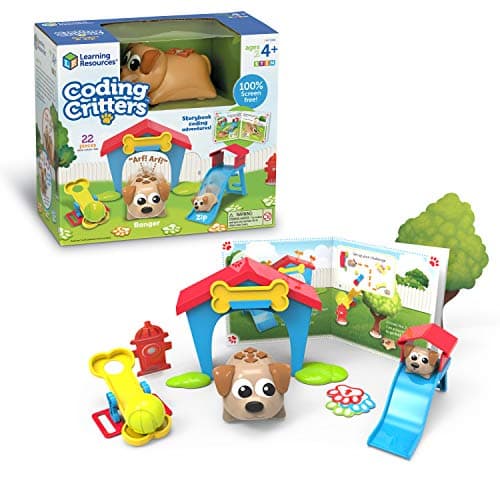
Coding Critters reviewed
What you are actually buying when a box says coding, and why that is fine at four.
Top pick
Coding Critters Ranger & Zip
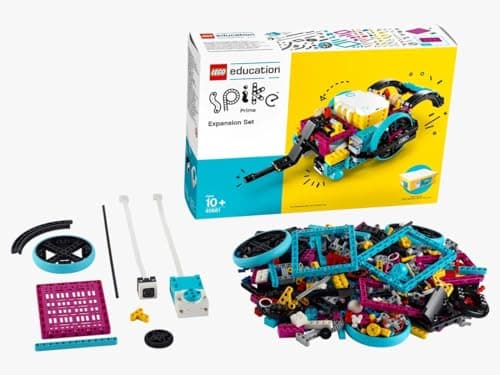
SPIKE Essential reviewed
The set where building and coding are equal halves, and the published progression inside one app.
Top pick
LEGO Education SPIKE Essential Set
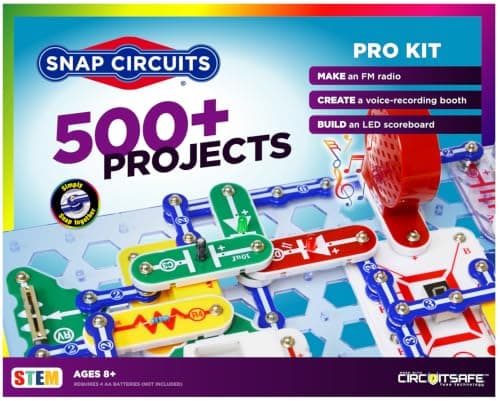
Snap Circuits Pro reviewed
The one number that separates the Pro from the Classic, and whether it is worth the difference.
Top pick
Snap Circuits Pro
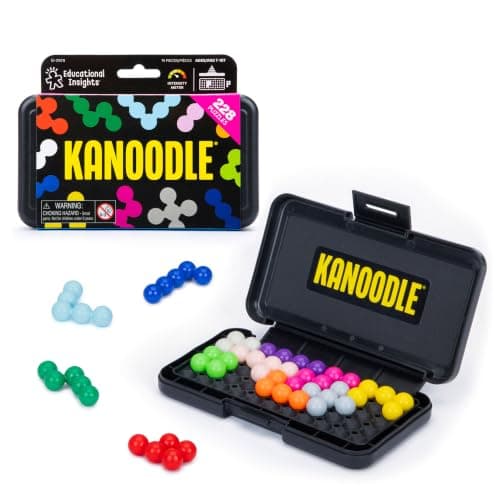
Kanoodle reviewed
The longest published challenge ladder on this site, in the smallest box.
Top pick
Kanoodle
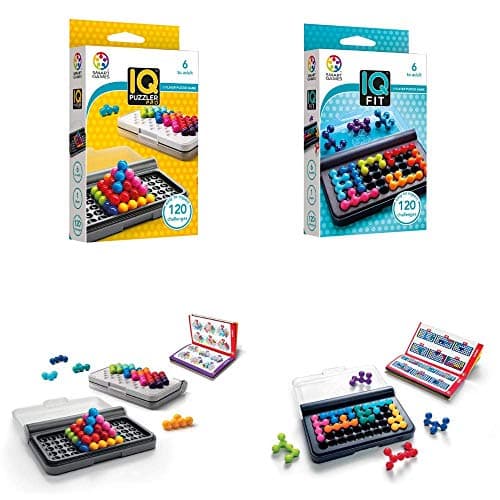
IQ Puzzler Pro reviewed
The travel puzzle with a published adult ceiling, and why the included solutions matter.
Top pick
SmartGames IQ Puzzler Pro
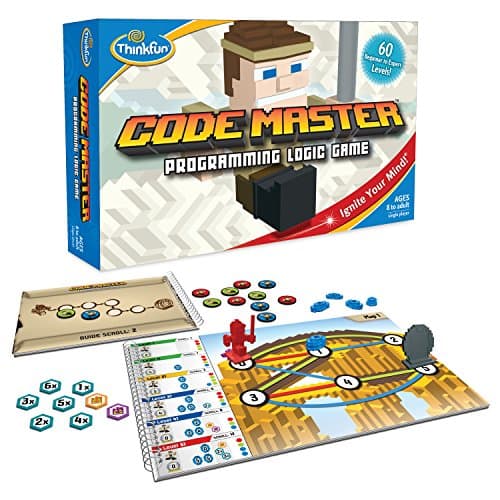
Code Master reviewed
The board game that teaches branching and repetition, and why that makes it preparation rather than substitution.
Top pick
ThinkFun Code Master
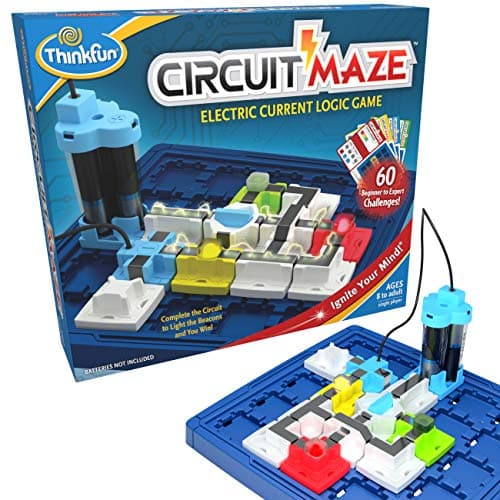
Circuit Maze reviewed
The logic game where the answer lights up, and how it bridges puzzles and real electronics.
Top pick
ThinkFun Circuit Maze
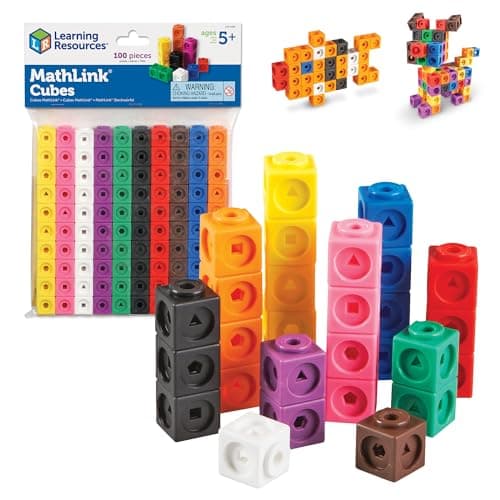
MathLink Cubes reviewed
The cheapest open-ended math purchase here, and the honest catch: an adult has to bring the activity.
Top pick
MathLink Cubes, Set of 100
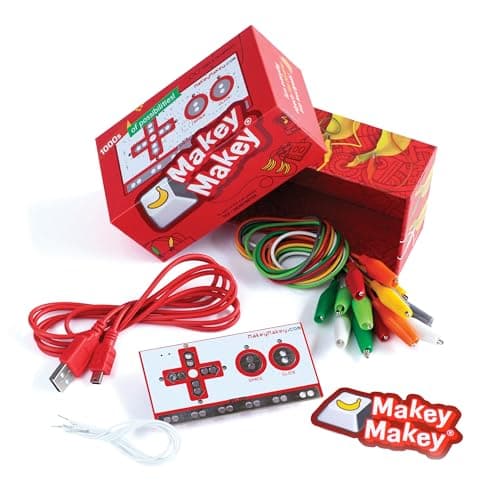
Makey Makey reviewed
The invention kit that turns anything conductive into a keyboard key — and needs a computer to do it.
Top pick
Makey Makey Classic
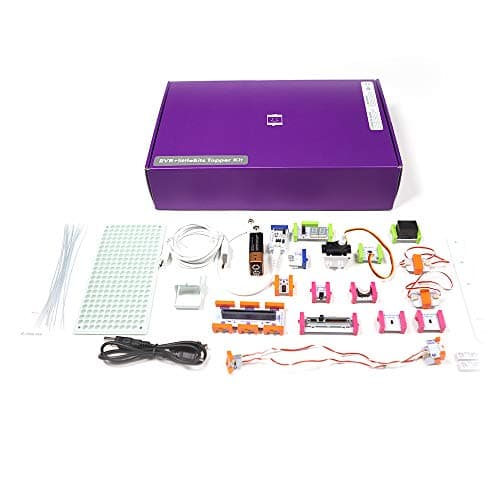
littleBits reviewed
Twenty-nine Bits with real sensors and motors, and a short guided ladder in the box.
Top pick
littleBits Invention Kit
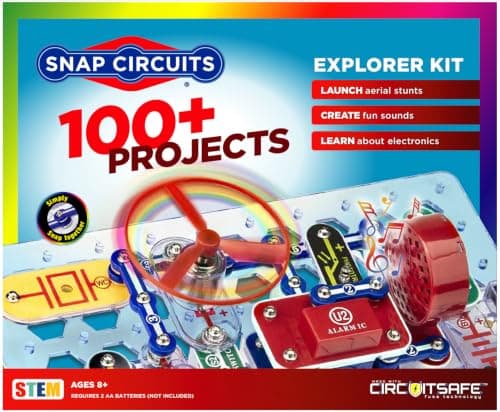
Snap Circuits Jr. reviewed
A good first kit whose every project also appears in the next set up.
Top pick
Snap Circuits Jr.
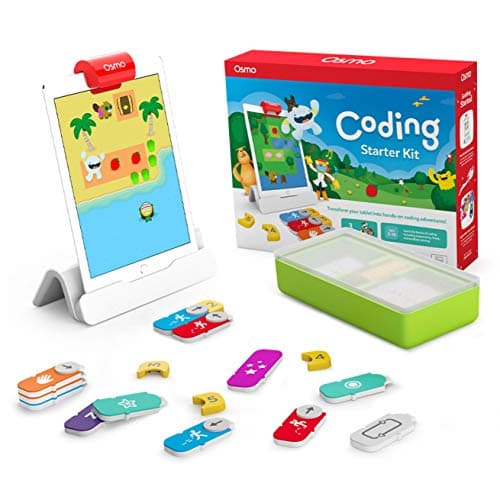
Osmo Coding reviewed
Physical coding blocks driving three iPad games, and the one requirement that decides whether it gets used.
Top pick
Osmo Coding Starter Kit for iPad
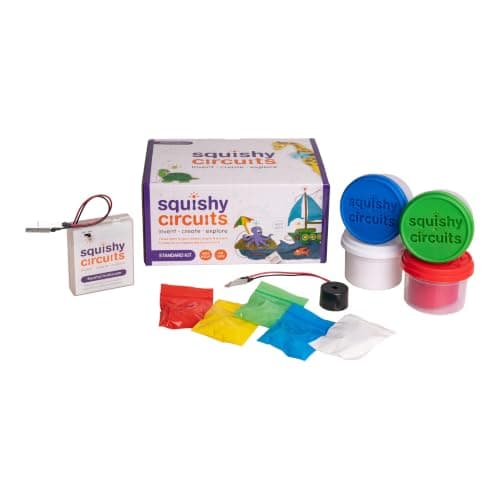
Squishy Circuits reviewed
The first-circuit kit made of dough, and the two figures its maker does not publish.
Top pick
Squishy Circuits Standard Kit

Circuit Scribe reviewed
The kit where the wire is a line the child draws — and the ink is the part that runs out.
Top pick
Circuit Scribe Basic Kit
Not stocked on Amazon. This link goes to the maker and we earn nothing on it.
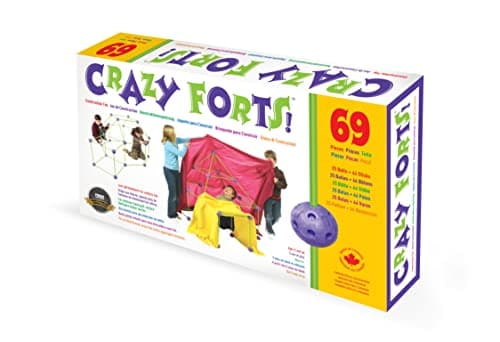
Crazy Forts reviewed
Balls and sticks that frame a fort big enough to sit inside — covering not included.
Top pick
Crazy Forts! Original
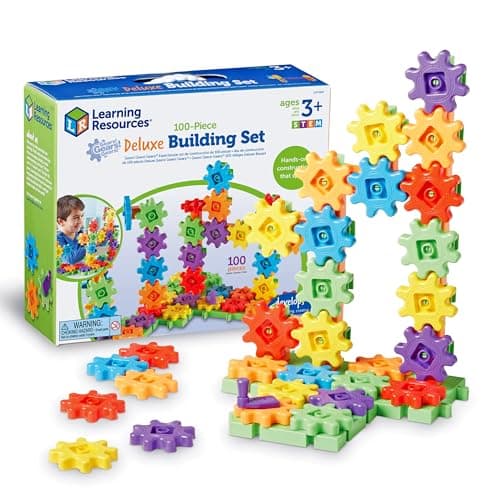
Gears! Gears! Gears! reviewed
A hand-cranked machine a three-year-old can build — and nearly half the box is gears.
Top pick
Gears! Gears! Gears! 100-Piece Deluxe Building Set
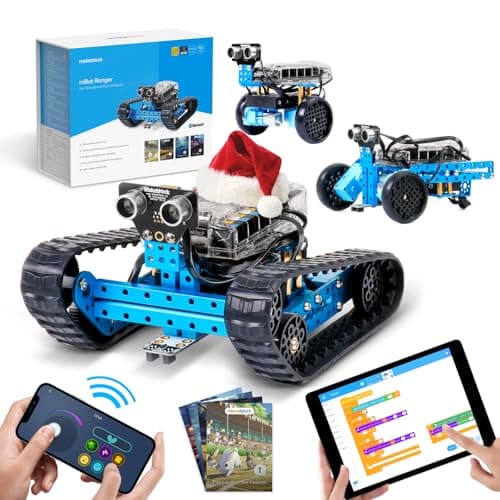
mBot Ranger reviewed
A robot kit the child builds three ways before programming it, and the age rating the maker and the listing disagree on.
Top pick
Makeblock mBot Ranger
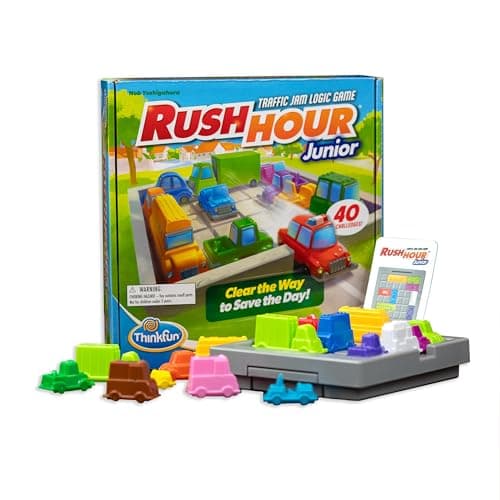
Rush Hour Junior reviewed
The best-known first logic game, and the published number that decides how long it lasts.
Top pick
ThinkFun Rush Hour Junior

MEL Chemistry reviewed
The only chemistry-specific subscription here: two or three experiments a month, and a home lab that stays.
Top pick
MEL Chemistry monthly subscription
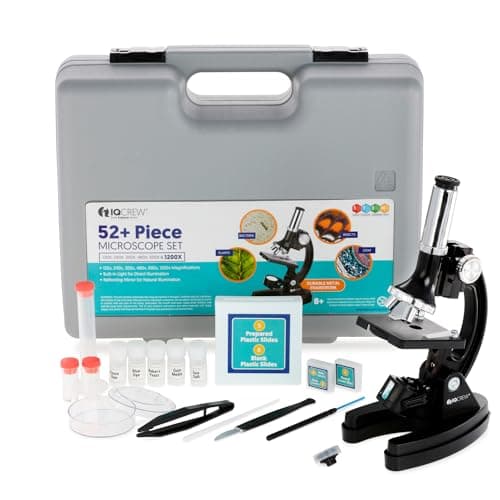
AmScope reviewed
A metal-framed compound scope with six magnifications — and why the top one is the least useful.
Top pick
AmScope 120X-1200X Beginner Microscope Kit

CHEM C1000 reviewed
Seven chemicals, a named safety standard, and a manual you can read before you spend anything.
Top pick
Thames & Kosmos CHEM C1000
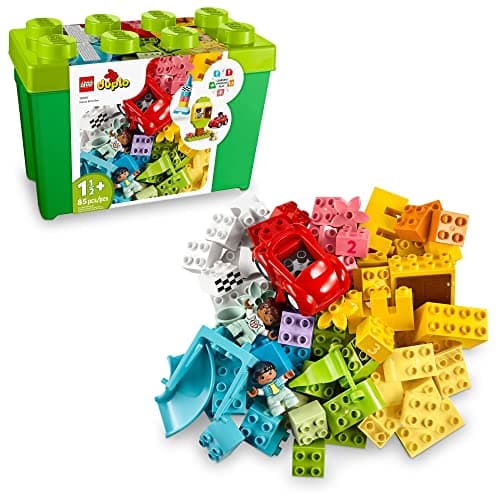
DUPLO 10914 reviewed
The default first building set, and the only number on the box that matters.
Top pick
LEGO DUPLO Classic Deluxe Brick Box
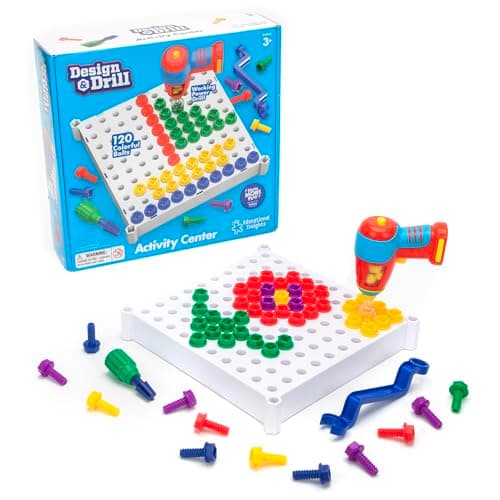
Design & Drill reviewed
The rare preschool toy with a genuinely working tool, and the pieces that make it last.
Top pick
Design & Drill Activity Center
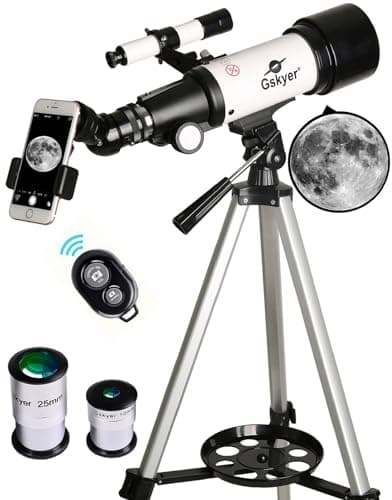
Gskyer AZ70400 reviewed
The best-selling beginner refractor — judged on aperture rather than on the numbers in the listing title.
Top pick
Gskyer AZ70400 Refractor Telescope
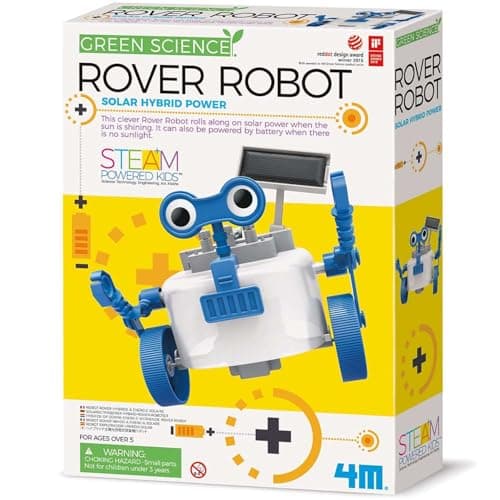
4M Solar Rover reviewed
A solar kit that still works on a cloudy afternoon — which is why it gets built twice.
Top pick
4M Green Science Solar Rover
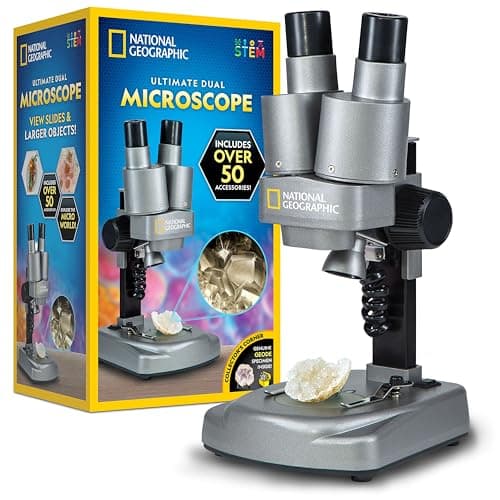
Nat Geo Dual LED reviewed
Twenty and fifty times, lit from above and below — the microscope a child actually uses.
Top pick
NATIONAL GEOGRAPHIC Dual LED Student Microscope
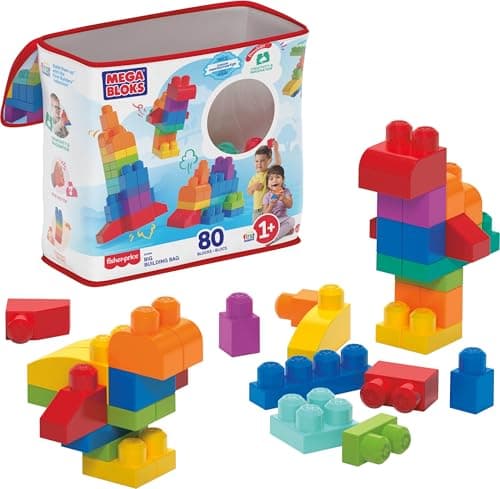
MEGA Bloks Big Building Bag reviewed
The lowest published age rating in building toys, and the one included part that changes the play.
Top pick
MEGA BLOKS First Builders Big Building Bag, 80 Pieces
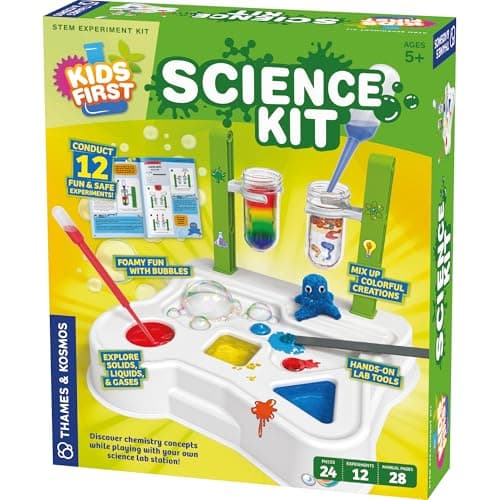
Kids First Science Laboratory reviewed
A science kit for three-year-olds that ships equipment instead of chemicals, so nothing in it runs out.
Top pick
Kids First Science Laboratory
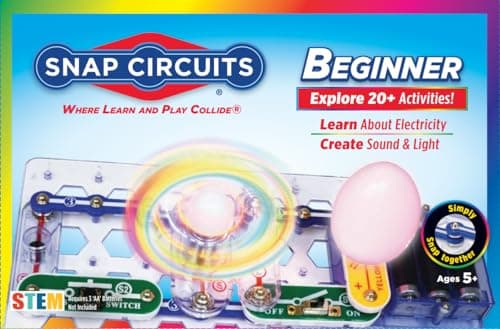
Snap Circuits Beginner reviewed
The only Snap Circuits set published under eight, and the shortest ladder in the line.
Top pick
Snap Circuits Beginner
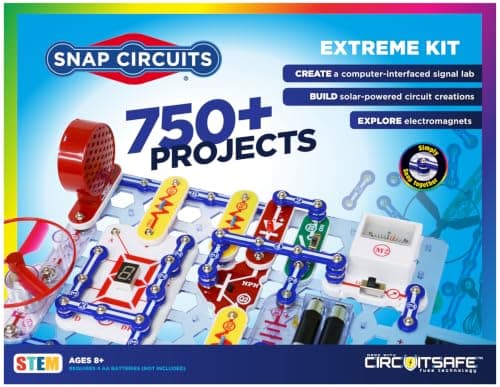
Snap Circuits Extreme reviewed
The biggest published project count in the Snap Circuits range, and what the computer-interfaced projects need.
Top pick
Snap Circuits Extreme
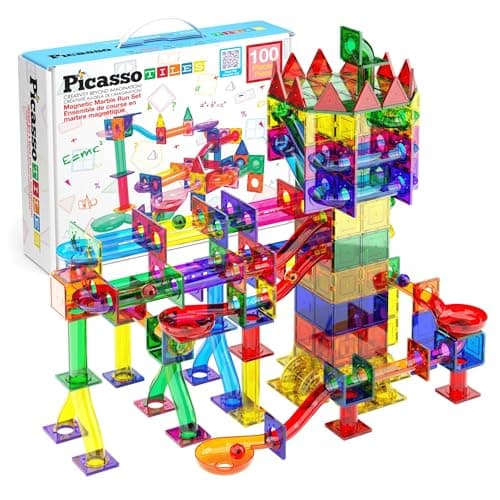
PicassoTiles Marble Run reviewed
A magnetic tile set with a marble track inside it, published from three — the earliest marble run here.
Top pick
PicassoTiles 100 Piece Marble Run Building Set
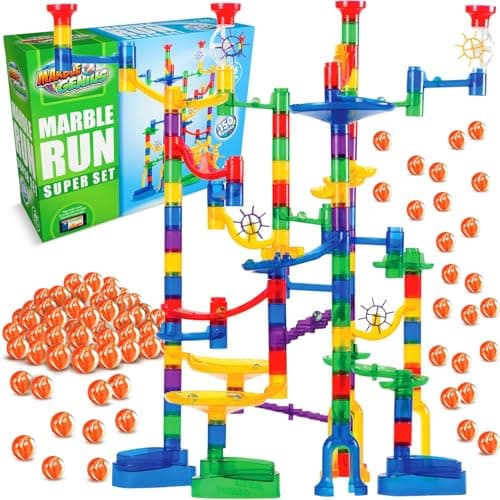
Marble Genius Super Set reviewed
Nineteen distinct track styles and sixty-five glass marbles, from a published age of four.
Top pick
Marble Genius Marble Run Super Set

Quadrilla Cliffhanger reviewed
A wooden marble run where the route is hidden inside the blocks, and every set connects to the next.
Top pick
Quadrilla Wooden Marble Run: Cliffhanger
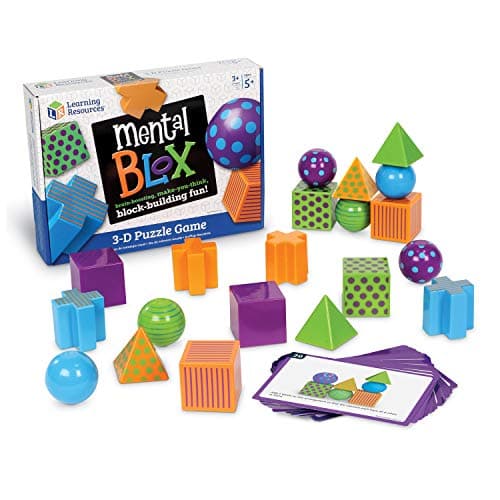
Mental Blox reviewed
A spatial-reasoning game built from twenty blocks, and one of very few STEM games a group can play.
Top pick
Mental Blox Critical Thinking Game

4M Weather Station reviewed
Four working instruments that produce new data every day, with nothing to use up.
Top pick
4M Weather Station Kit
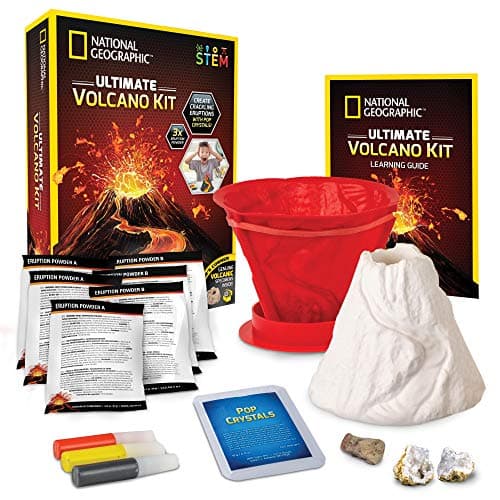
Nat Geo Volcano Kit reviewed
The classic science-fair kit, judged on the only spec that determines how many eruptions you get.
Top pick
NATIONAL GEOGRAPHIC Volcano Science Kit

Nat Geo Dinosaur Dig reviewed
One genuine 50-million-year-old fossil, one replica, and a brick that is destroyed getting them out.
Top pick
NATIONAL GEOGRAPHIC Dinosaur Dig Kit

Nat Geo Mega Crystal Kit reviewed
Eight crystals in three or four days, plus five real mineral specimens that outlast the powder.
Top pick
NATIONAL GEOGRAPHIC Mega Crystal Growing Kit

Nat Geo Mega Slime Kit reviewed
Eight tins of slime and putty, one of which the child actually makes.
Top pick
NATIONAL GEOGRAPHIC Mega Slime Kit & Putty Lab

Human Body Anatomy Model reviewed
Eleven named organs that come apart and go back together, in a model small enough to sit on a desk.
Top pick
Learning Resources Human Body Anatomy Model

Tobbles Neo reviewed
The earliest published STEM toy we cover, and the only one that teaches balance by refusing to fall over.
Top pick
Fat Brain Toys Tobbles Neo
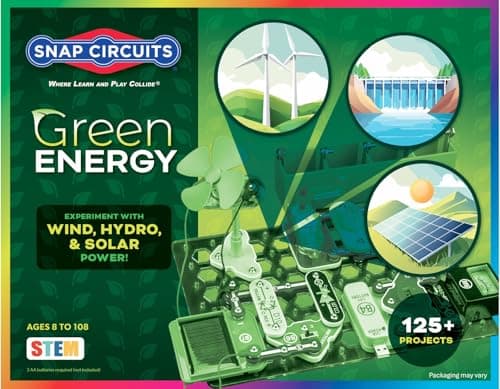
Snap Circuits Green reviewed
The alternative-energy set in the Snap Circuits line, and the overlap most buyers miss.
Top pick
Snap Circuits Green
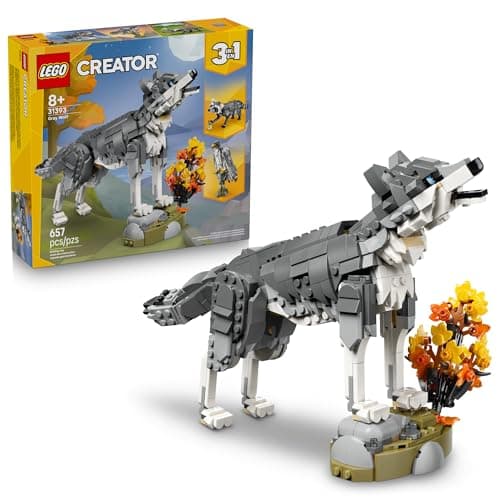
LEGO Creator 31393 reviewed
Three animals from 657 pieces, and the published detail that decides whether a child rebuilds it.
Top pick
LEGO Creator 3in1 Forest Animals: Gray Wolf

Dimpl reviewed
The simplest toy on this site, and the clearest cause-and-effect demonstration on it.
Top pick
Fat Brain Toys Dimpl

pipSquigz reviewed
Three silicone suction rattles published from 6 months, and the one property that makes them different from every other baby toy here.
Top pick
Fat Brain Toys pipSquigz
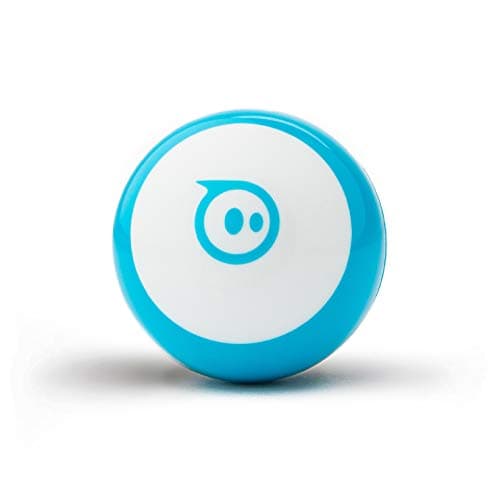
Sphero Mini reviewed
The cheapest robot on this site that publishes a full three-canvas coding path — and the battery figure that is the real trade.
Top pick
Sphero Mini
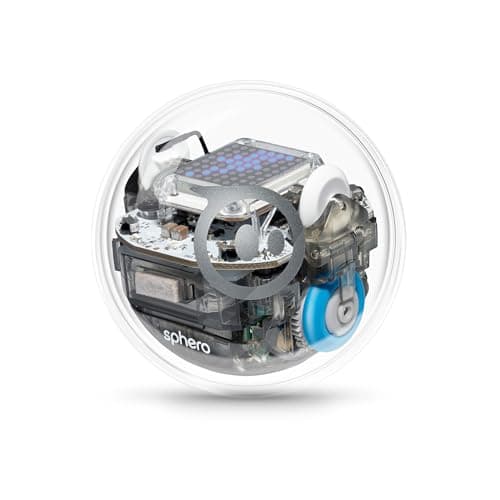
Sphero BOLT reviewed
The 8x8 LED matrix is the specification that separates this from every other coding ball — and the reason a bug becomes readable.
Top pick
Sphero BOLT
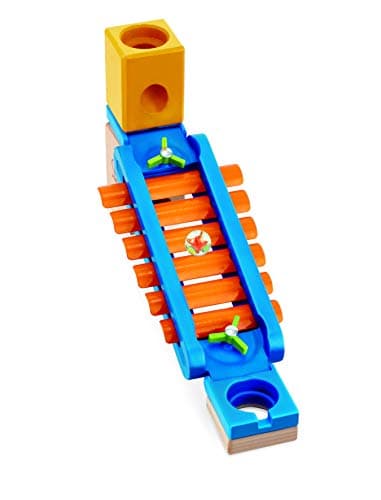
Sonic Playground reviewed
The cheapest way to change a Quadrilla run you already own — and the piece-count arithmetic to do before you buy it.
Top pick
Quadrilla Sonic Playground

Science Advent Calendar reviewed
Why the 13-to-11 split is the figure to buy on, and the one household this calendar is wrong for.
Top pick
NATIONAL GEOGRAPHIC Science Advent Calendar

Science Advent Calendar Vol. 4 reviewed
The highest experiment count in the category, the household-materials promise, and the zero left behind.
Top pick
Thames & Kosmos Science Advent Calendar Vol. 4
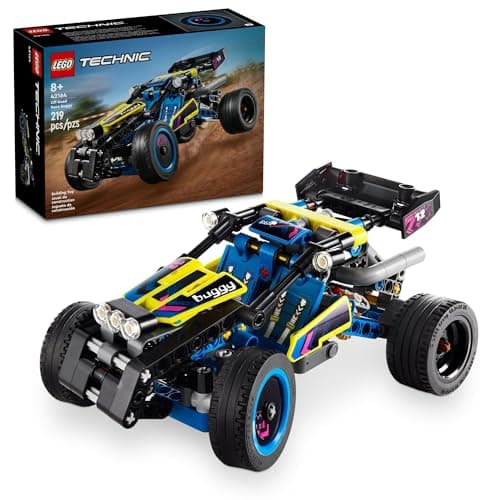
Technic 42164 reviewed
Why the smallest Technic set is the best introduction to mechanisms, and the 790-piece box that teaches none.
Top pick
LEGO Technic Off-Road Race Buggy
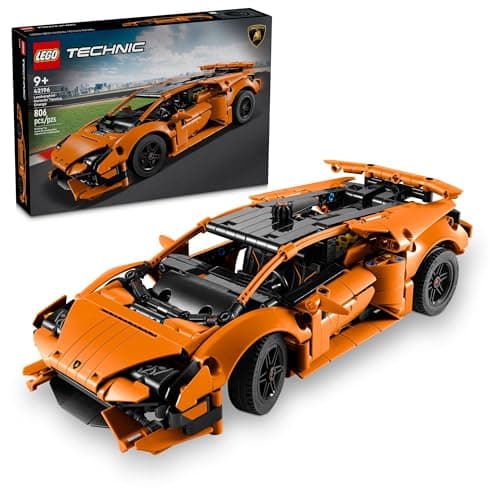
Technic 42196 reviewed
What the V10 and the functioning steering add over the small Technic sets, and why the build length is the real difference.
Top pick
LEGO Technic Lamborghini Huracán Tecnica Orange
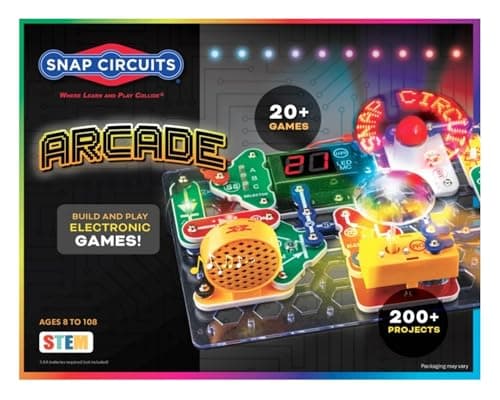
Snap Circuits Arcade reviewed
Why 20+ published games changes what a circuit kit is for, and where Arcade sits in the Snap line on parts and projects.
Top pick
Snap Circuits Arcade
Almost every review site in this category prints a number — 8.7 out of 10, four and a half stars, a weighted score across five criteria. Those numbers are generated by the site itself, and the great majority of them rest on a testing claim.
We looked at the field before building this site. Of the competitor pages examined, most that carried a byline also claimed hands-on testing, and in several cases the claim was not credible on the face of the site — the same publication reviewing office chairs, drum heads and children’s toys, all apparently tested for months.
We are not going to compete with that by making a better version of the same claim. Block & Beaker has tested nothing. There is no lab, no shelf of samples, no test children. So there is no rating, no rating markup in the structured data behind these pages, and no “in our testing” anywhere on the site. What there is instead: the manufacturer’s published numbers, linked; arithmetic done on those numbers and shown; and a clear statement of who should not buy the thing.
Published specifications, cited. Piece counts, project counts, stated ages, battery requirements, safety standards named by the manufacturer. Each traced to the page it came from, so you can check any of it. Where the manufacturer publishes nothing, the row says “not published” rather than quietly disappearing.
Arithmetic. Projects per part, price per piece, the real cost of a year of a subscription. This is unglamorous work and it is the single most useful thing available to somebody choosing between two boxes that look the same. It is also entirely reproducible: every division we do, you can redo.
The Replay Signal. Open-ended or one-shot; does anything run out; is there room to grow; does it need an adult. Four questions answered from published information, each with a “why we say so” line pointing at the fact underneath.
Who should skip it. Every review says this explicitly. A review that finds nothing wrong with a product is not a review.
Worth being direct about the limits, because they are real.
We cannot tell you how a toy feels in the hand, whether the plastic creaks, or whether the magnets are strong enough in practice rather than on paper. We cannot tell you whether a specific child will love it. We cannot tell you about reliability over two years of hard use, and we will not repeat other people’s reliability anecdotes as if they were data.
Where those things matter most — and with magnets and moving parts they matter a great deal — we say so on the page and point at what the manufacturer publishes about construction: whether tiles are ultrasonically sealed and riveted, what the magnets are made of, which safety standards are named. That is not the same as having handled it. It is what is honestly available to us, and it is checkable, which the alternative usually is not.
Products people search for by name, and products where a single decision is genuinely hard — usually because a product line has several confusingly similar rungs, or because a subscription’s real cost is not obvious from its monthly price.
If a product is best understood next to its competitors rather than alone, it goes in a roundup or a head-to-head instead. The Snap Circuits line comparison exists because reviewing any single Snap Circuits set on its own would be close to useless — the whole question is which rung of the ladder to buy.
Questions people actually ask
Because we have not tested the products. A rating implies use, and we have none. We publish the manufacturer's specifications with links, the arithmetic on those numbers, and a clear statement of who should skip the product instead. How we pick, in full.
By doing work nobody else does on the published information: compiling specifications, computing projects per part and price per piece, reading the manufacturer's manuals, and checking which safety standards are actually named. That is a smaller claim than hands-on testing, and it is verifiable.
How it feels in the hand, whether the plastic creaks, whether the magnets hold in practice, or how it survives two years of hard use. Where those things matter we say so on the page and quote what the manufacturer publishes about construction.
Prices refresh daily from the retailer. Specifications are rechecked when a manufacturer revises them, and corrections are made within 48 hours of being reported, with the change reflected in the page's last-updated date. The correction policy.
Not sure where to start? Try shopping by age instead, or read how we pick.