Head to head
Rechargeable vs Battery Coding Toys
The most boring specification in this category is the one that decides whether the toy is working on a Tuesday morning.
By Sawyer V. · Published
The short answer
Three coding robots here publish rechargeable power: Sphero indi at 2+ hours per charge, Matatalab at 500 mAh in the robot and 2000 mAh in the tower over USB-C, and mBot Neo at 2500 mAh for about five hours. Botley needs five AAA cells and the Robot Mouse three — neither included.
Block & Beaker earns a commission when you buy through our links, at no cost to you. It never changes a ranking, and we say so plainly when the right answer is the cheaper set, or nothing at all. Full disclosure · How we pick.
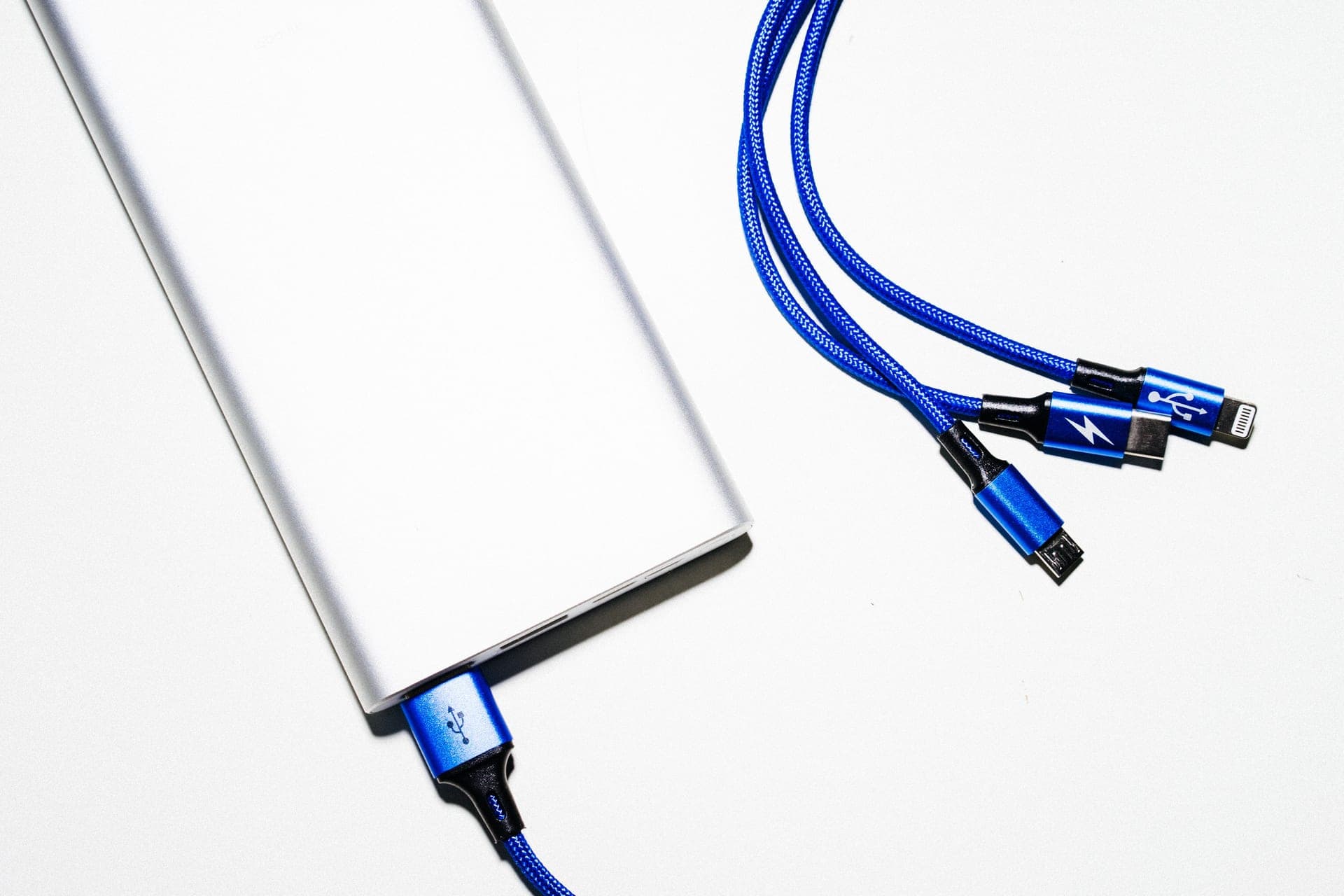
The published figures
The arithmetic
Power, as published
| Sphero indi | Rechargeable, USB — 2+ hours per charge |
|---|---|
| Matatalab Coding Set | Rechargeable, USB-C — 500 mAh robot, 2000 mAh tower |
| Makeblock mBot Neo | Rechargeable — 2500 mAh, ~1 hr charge, ~5 hrs play |
| LEGO SPIKE Essential | Rechargeable Li-ion hub, micro USB |
| Botley 2.0 | 5 x AAA, not included |
| Code & Go Robot Mouse | 3 x AAA, not included |
| Coding Critters | No consumables published |
| Osmo Coding Starter Kit | None in the pieces — the iPad is the power |
Why this matters more than it sounds
A coding robot is not a toy a child plays with continuously. It comes out in bursts — a wet afternoon, a friend visiting, a school holiday. Between those bursts it sits in a cupboard.
A rechargeable robot that has sat for two months needs an hour on a cable. A battery robot that has sat for two months needs somebody to find five AAA cells, which in most households means a shop.
That difference — an hour versus a trip — is the difference between the toy being used on the afternoon somebody thought of it and not.
The case for rechargeable
No ongoing cost. Five AAA cells several times a year adds up quietly over a toy’s life.
No leaking. Cells left in a toy over a long gap corrode the contacts, and a corroded compartment is how a working robot becomes scrap. This is the single most common way a coding toy dies.
Always the same performance. Alkaline cells sag as they drain, and a robot on tired batteries moves oddly — which a child reads as the robot being broken rather than flat.
USB-C where published. Matatalab publishes USB-C, which means the same cable as most modern devices rather than another proprietary lead.
The case for disposable cells
Worth stating fairly, because it is not nothing.
Instant recovery. A flat robot with spare cells in a drawer is working in thirty seconds. A flat rechargeable is working in an hour.
No battery degradation. A sealed rechargeable cell has a lifespan. In five years it will hold less charge, and on most of these products it cannot be replaced.
Lower price. The AAA robots here are the cheaper ones, and for a household that already keeps rechargeable AAAs the argument mostly disappears.
That last point is the practical middle path: buy a pack of rechargeable AAA cells and a charger, and Botley’s five-cell requirement stops being a recurring problem.
What the numbers mean in use
2+ hours (indi) is a long session. Sphero publishes 2+ hours of play per charge, which comfortably covers an afternoon of laying color cards across a floor.
~5 hours (mBot Neo) covers a weekend. Makeblock publishes about an hour of charging for about five hours of play, which is the most generous figure here.
Two batteries on Matatalab is two things to charge. The 500 mAh robot and 2000 mAh tower are separate. In practice the tower lasts far longer, but both need remembering.
Five AAA is unusually many. Botley 2.0 publishes five, which is more than most households keep spare. The Robot Mouse’s three is easier to cover.
Worth knowing before you buy
Take disposable cells out of any coding toy before a long storage period. Leaking alkaline cells destroy battery contacts, and that is the most common way an otherwise working robot ends up unusable.
Sealed rechargeable packs should be charged with the supplied cable and never opened.
What to do about it at the point of purchase
If buying a AAA robot, buy the cells at the same time. This is the single most useful thing on this page. A robot opened on a birthday morning with no batteries is the most common bad start in this category.
If the household hates batteries, pay the difference. The rechargeable options are more expensive and the gap is smaller than a few years of AAA cells.
If buying rechargeable, check the cable. USB-C is the most convenient; micro USB, as on the SPIKE hub, means keeping an older cable around.
Say the unwelcome thing
Do not buy a coding robot without checking the battery line
It is published by every manufacturer and printed on almost no retail listing. Botley publishes five AAA, the Robot Mouse three, and neither includes them.
Where to go next
The battery guide for STEM toys covers the whole site. Coding robots ranked covers the products themselves, and when a STEM toy gets abandoned covers dead batteries as a cause of disuse.
Questions people actually ask
Frequently asked
Which coding robots are rechargeable?
Sphero indi publishes 2+ hours of play per charge over USB; Matatalab publishes a 500 mAh robot and 2000 mAh command tower over USB-C; Makeblock's mBot Neo publishes a 2500 mAh cell giving about five hours from an hour's charge; and the LEGO SPIKE Essential hub is a rechargeable Li-ion over micro USB.
How many batteries does Botley 2.0 need?
Five AAA, not included. That is more than most households keep spare, and it is published by Learning Resources but left off most retail listings — which makes it the most common cause of a disappointing first morning with the toy.
Are rechargeable coding toys worth the extra money?
In most households, yes. A robot that has sat unused for two months needs an hour on a cable rather than a trip to the shops, and there is no risk of cells leaking and destroying the battery contacts — which is the most common way a working coding robot dies.
Can you use rechargeable AAA batteries in coding toys?
That is the sensible middle path. Buying a pack of rechargeable AAA cells and a charger removes the recurring cost and the leaking risk from toys like Botley and the Robot Mouse, without paying for a robot with a sealed built-in cell. The battery guide.
Sources
Where these figures came from
Every specification on this page traces to one of these. If a manufacturer publishes nothing on a point, the page says so rather than filling the gap.
Read next
Where to go from here
Back to Coding & Robotics, or read how we pick.