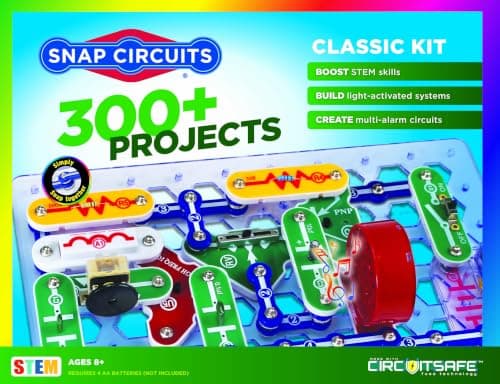
Best Snap Circuits set
Snap Circuits Compared: Jr, Classic, Pro and Extreme
The whole Snap Circuits line in one table, with the projects-per-part arithmetic that shows which set is genuinely the step up.
Top pick
Snap Circuits Classic
Category
One product line dominates this category, and choosing the right rung of it is the entire decision.
The short answer
Children’s electronics is effectively one product line — Snap Circuits — sold at six different sizes, and the useful question is which size to buy rather than which brand. Compare them on projects per part rather than on the number on the box. The Classic set publishes about five projects per part, the highest ratio in the range; the entry set publishes about one and a half.
Block & Beaker earns a commission when you buy through our links, at no cost to you. It never changes a ranking, and we say so plainly when the right answer is the cheaper set, or nothing at all. Full disclosure · How we pick.
Start here
In this section
Each one carries its top pick’s live price and a buy link, so you never have to click twice to find out what something costs.
Best Snap Circuits set
The whole Snap Circuits line in one table, with the projects-per-part arithmetic that shows which set is genuinely the step up.
Top pick
Snap Circuits Classic
Best electronics starter kit
The electronics options either side of Snap Circuits, and an honest account of where the real step up actually is.
Top pick
Snap Circuits Classic
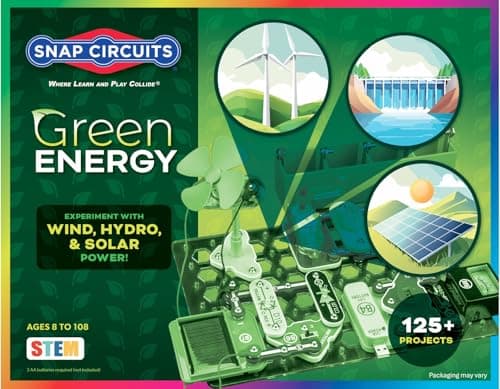
Best solar and energy kit
Solar and energy kits compared on published project counts, and on whether they work without direct sun.
Top pick
Snap Circuits Green
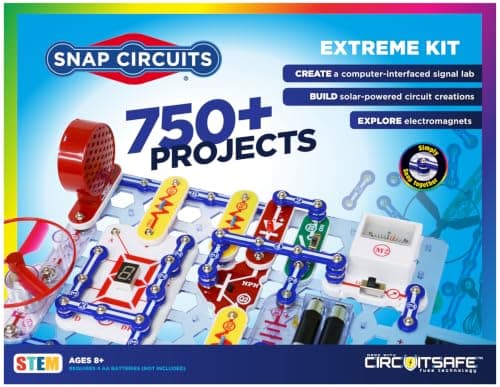
Best for teenagers
Where electronics goes after the beginner kits, ranked on published project ratios and what each one connects to.
Top pick
Snap Circuits Extreme
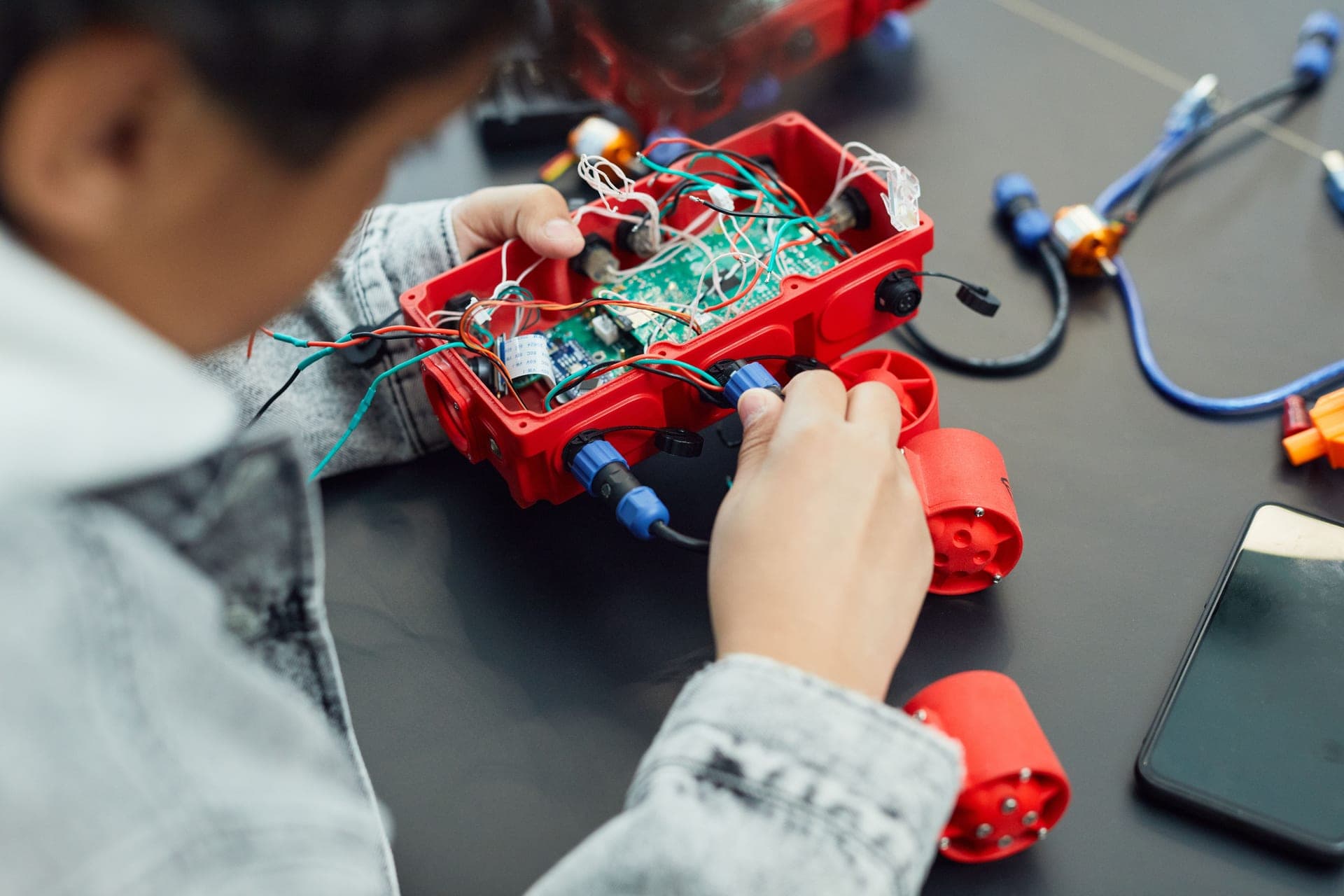
Guide
What a snap-together kit teaches, what it cannot, and the published numbers behind both.
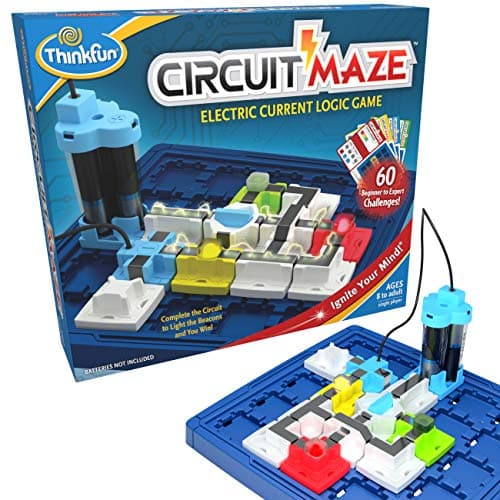
Best Snap Circuits alternative
What to buy instead of Snap Circuits, sorted by which of the three common reasons applies.
Top pick
ThinkFun Circuit Maze
Best circuit kit
Four circuit formats — dough, ink, Bits and snaps — compared on published contents and who each suits.
Top pick
Snap Circuits Classic
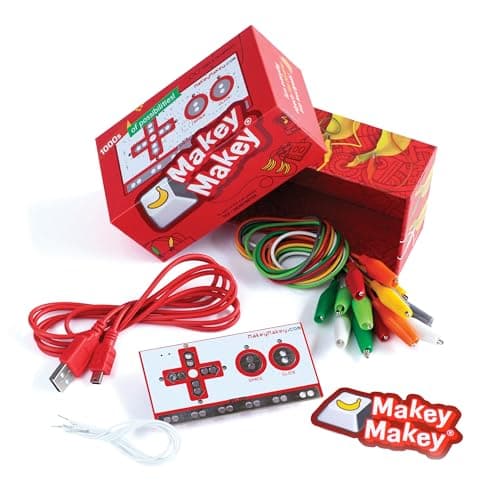
Best invention kit
Kits for building interactive gadgets rather than learning circuits, compared on what each one needs.
Top pick
Makey Makey Classic
Squishy vs Snap Circuits
Conductive dough against snap-together parts, compared on how each teaches the same first lesson.
Top pick
Snap Circuits Classic
Makey Makey vs littleBits
The two leading invention kits, compared on the computer question and what each lets a child build.
Top pick
Makey Makey Classic
littleBits vs Snap
The two best-known kid electronics systems, compared on what each maker actually publishes.
Top pick
Snap Circuits Classic
Snap Jr. vs Classic
The two entry Snap Circuits sets for eight and up, compared on Elenco's own project and part counts.
Top pick
Snap Circuits Classic
Circuit Maze vs Snap
A circuit logic puzzle and a circuit kit, compared on what each one asks a child to do.
Top pick
Snap Circuits Classic
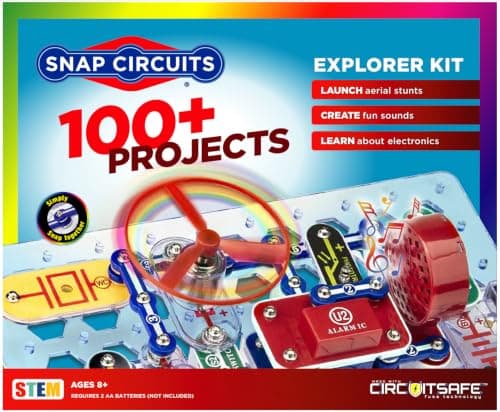
Snap Circuits Beginner vs Jr.
The only Snap set published under eight, against the one everybody should start with at eight.
Top pick
Snap Circuits Jr.
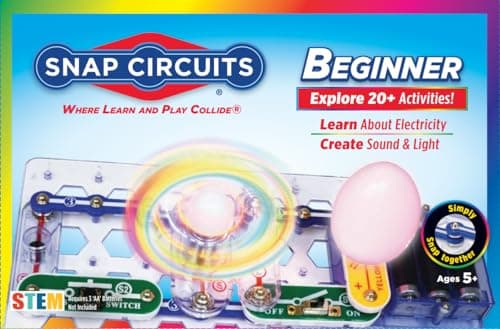
Electronics kits by age
The whole electronics category sorted by what the makers actually publish, from five upward.
Top pick
Snap Circuits Beginner
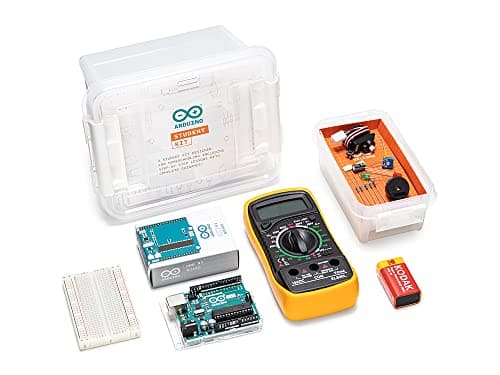
Best Arduino kit for kids
The only Arduino kit with a published child age and a nine-lesson course, plus what the cheaper boards leave out.
Top pick
Arduino Student Kit
Snap Circuits solved the hard problem in children’s electronics: making a circuit that is impossible to wire backward. The components sit on plastic bases with press studs, and Elenco states the snap-together parts “require no tools and ensure correct connections.” That single design decision removes the two things that end most first electronics sessions — a wiring mistake nobody can find, and a soldering iron.
The result is a range rather than a competition. Elenco publishes six sets that share components, and every project in a smaller set reprints in the bigger one’s manual. Elenco states specifically that the SC-300 manual contains all of the SC-100 projects plus 200 more. That overlap is why buying the wrong size is recoverable but wasteful — the upgrade is a genuine upgrade, but you have paid twice for the overlap.
Every set in the line publishes both a project count and a part count, which makes one division available to anyone and — as far as we can find — performed by nobody. Here is the whole line:
| Set | Parts | Projects | Projects per part |
|---|---|---|---|
| Beginner (SCB-20) | 14 | 21 | 1.5 |
| Green (SCG-125) | 45+ | 125+ | 2.8 |
| Jr. (SC-100) | 30 | 100+ | 3.3 |
| Classic (SC-300) | 60+ | 305 | 5.1 |
| Pro (SC-500) | 75+ | 500+ | 6.7 |
| Extreme (SC-750) | 80+ | 750+ | 9.4 |
Read that column carefully, because it does not mean what it first appears to. A high ratio at the top of the range is not better value — it means the manual is being stretched further over a part count that has stopped growing. Between the Pro and the Extreme, parts rise from about 75 to about 80 while projects rise from 500 to 750. You are mostly buying more manual.
The genuine step changes are lower down. Fourteen parts to thirty parts is where a set stops being a demonstration and starts being a kit. Thirty to sixty is where a child can go off-manual and invent, because there are enough spare components to hold an idea. That is why the Classic is our pick for almost everyone, and it is an arithmetic conclusion rather than a taste one.
Elenco rates most of the line 8+, and the Beginner set 5 to 8. Those are not primarily safety ratings — the sets run on AA batteries and nothing gets hot enough to matter. They are reading and patience ratings. The manuals are diagram-led but assume a child can follow a numbered sequence and notice when their build does not match the picture.
A six or seven-year-old can absolutely use an SC-300 with an adult alongside, and will get more out of it in two years than they would from being bought the Beginner set now and the Classic later. If the plan is to sit with them, buy the bigger one.
Elenco publishes the requirement plainly: the Classic and the Pro each require four AA batteries, not included. Buy them with the set. A circuit kit that cannot be switched on is the single most disappointing object in a pile of presents, and it is entirely avoidable.
For a route into this category from a different direction, the circuit logic puzzles teach the same series-and-parallel thinking with no batteries and no reading, and work a couple of years younger. For picks by age, the eight-year-old page is where this category lands.
Questions people actually ask
The Classic SC-300 for almost everyone. Elenco publishes 305 projects from over 60 parts, which is about five projects per part — the highest genuine ratio in the line before the counts start coming from a longer manual rather than more components. The full line compared.
Rarely. Elenco publishes parts rising from over 75 to over 80 while projects rise from 500 to 750, so most of the difference is additional manual rather than additional components. The Pro's 73 published computer-interfaced experiments are a more meaningful upgrade.
Elenco rates most of the line 8+, and the Beginner set 5 to 8. These are reading and patience ratings rather than safety ones — a six-year-old can use the Classic set with an adult sitting alongside.
Yes. Elenco states the Classic and Pro each require four AA batteries, not included. Buy them at the same time — a circuit kit that cannot be switched on is the worst thing in a pile of presents.
Sources
Every specification on this page traces to one of these. If a manufacturer publishes nothing on a point, the page says so rather than filling the gap.
Not sure where to start? Try shopping by age instead, or read how we pick.