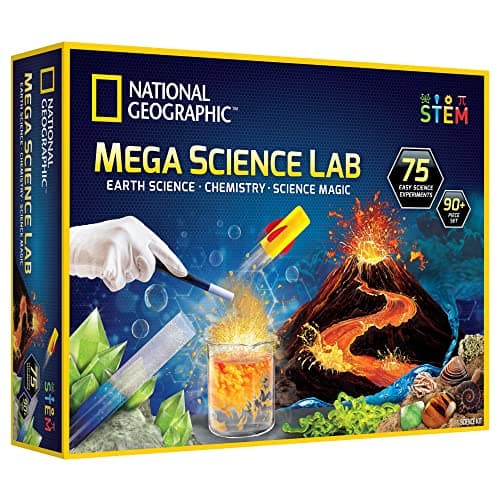
Best experiment kit
Science Experiment Kits for Kids
Five experiment kits ranked by published experiment count and, more usefully, by how much of it survives the first month.
Top pick
NATIONAL GEOGRAPHIC Mega Science Lab
Category
The category where the honest question is not how good it is, but how many times it works.
The short answer
Most science kits are consumable, and that is the fact that decides whether one is a good present. A geode kit has ten geodes. A chemistry set has five or seven bottles and a numbered last experiment. A microscope has nothing to use up at all. Read the published contents for the consumable count before you read anything else — it tells you how many afternoons you are buying.
Block & Beaker earns a commission when you buy through our links, at no cost to you. It never changes a ranking, and we say so plainly when the right answer is the cheaper set, or nothing at all. Full disclosure · How we pick.

Start here
In this section
Each one carries its top pick’s live price and a buy link, so you never have to click twice to find out what something costs.
Best experiment kit
Five experiment kits ranked by published experiment count and, more usefully, by how much of it survives the first month.
Top pick
NATIONAL GEOGRAPHIC Mega Science Lab
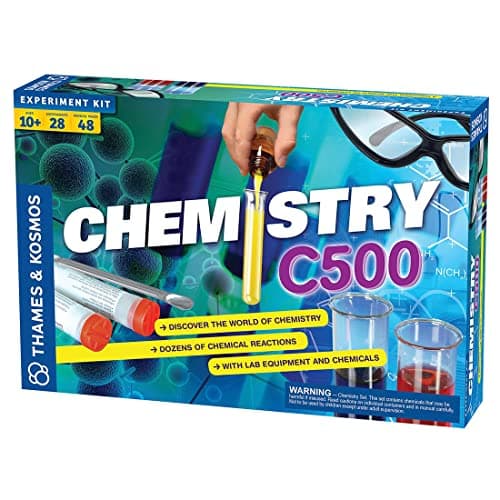
Best chemistry set
Chemistry sets ranked on manual depth and what is genuinely in the bottles, with the consumable problem stated up front.
Top pick
Thames & Kosmos Chemistry C500

Best kids microscope
Three microscopes compared on magnification, lighting and blank slides, with an argument for buying less magnification than you think.
Top pick
My First Lab Duo-Scope Microscope
Not stocked on Amazon. This link goes to the maker and we earn nothing on it.
Best STEM subscription
KiwiCo, MEL Science and the honest annual arithmetic — plus the household condition that decides whether any of it works.
Top pick
Kiwi Crate monthly subscription
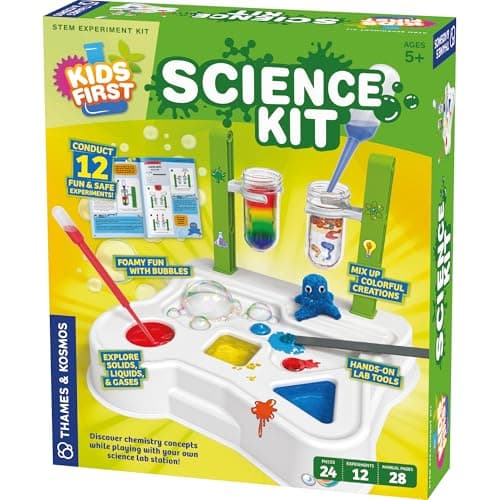
Best first science kit
Four kits and toys that work under six, where the entire science aisle is rated 8+ and consumable.
Top pick
Kids First Science Laboratory
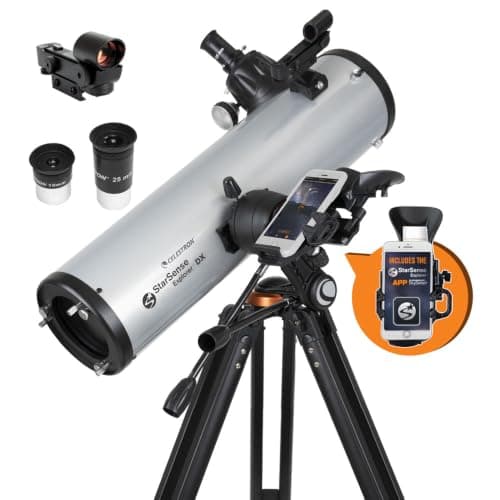
Best telescope for kids
Four telescopes compared on aperture rather than magnification, plus the one that solves the finding problem.
Top pick
Celestron StarSense Explorer DX 130AZ
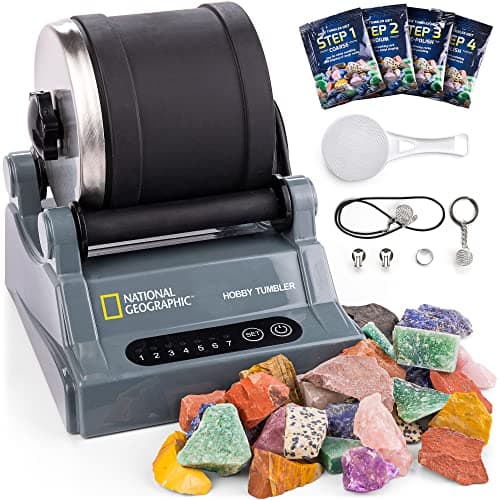
Best geology kit
Geology kits ranked on how many results are actually in the box, and which machine outlives its supplies.
Top pick
NATIONAL GEOGRAPHIC Hobby Rock Tumbler Kit
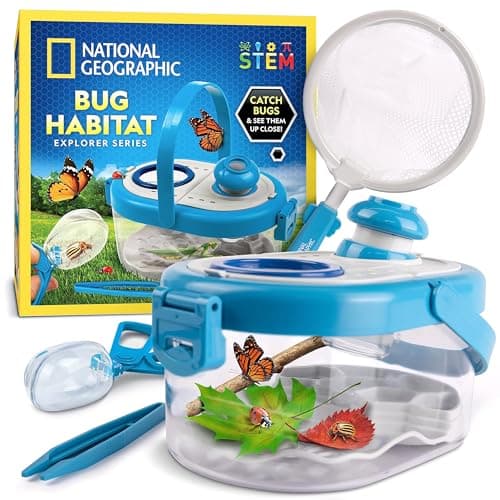
Best outdoor science kit
Nature kits and field instruments where the garden restocks the consumable for you.
Top pick
NATIONAL GEOGRAPHIC Bug Catcher Kit
Best kitchen science kit
Which science genuinely needs a kit and which needs vinegar, plus the sets that lean on household materials.
Top pick
Kids First Science Laboratory
Guide
Batteries, household items, adults and surfaces - the published requirements that arrive after the wrapping paper.

Best lab tool
The permanent half of the science category - equipment rather than experiments, ranked on published specs.
Top pick
My First Lab Duo-Scope Microscope
Not stocked on Amazon. This link goes to the maker and we earn nothing on it.
Head to head
The buyer's question nobody answers directly, settled on published specs and on how often each can be used.
Best unsupervised science
The science purchases that survive a wet Tuesday when nobody is available to help.
Top pick
NATIONAL GEOGRAPHIC Bug Catcher Kit
Head to head
What twelve projects a year buys against 130 in one box, and when the subscription is still the right answer.
Guide
Four things a child might have liked about their first kit, and the right second purchase for each.
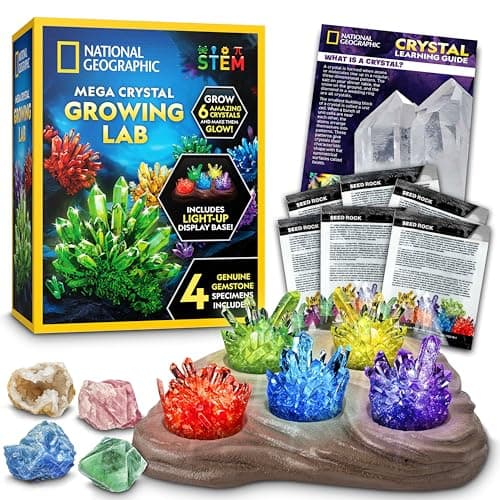
Best crystal growing kit
Crystal kits ranked on published crystal counts, growing time and what is left when the powder is gone.
Top pick
NATIONAL GEOGRAPHIC Mega Crystal Growing Kit
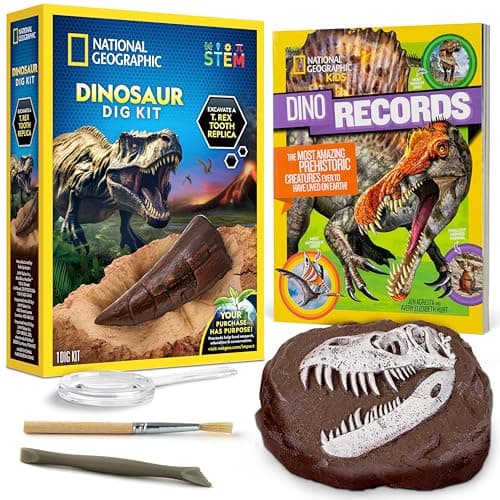
Best dinosaur dig kit
Dig kits ranked on whether the fossil inside is genuine, and what a child is left holding afterwards.
Top pick
NATIONAL GEOGRAPHIC Dinosaur Dig Kit
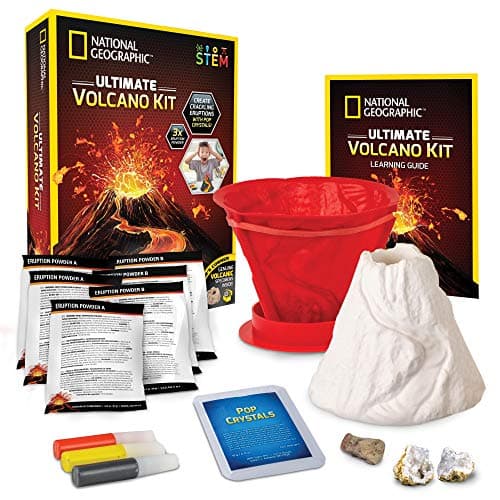
Best volcano science kit
Volcano kits ranked on reusability, eruption count and whether kitchen ingredients keep them going.
Top pick
NATIONAL GEOGRAPHIC Volcano Science Kit
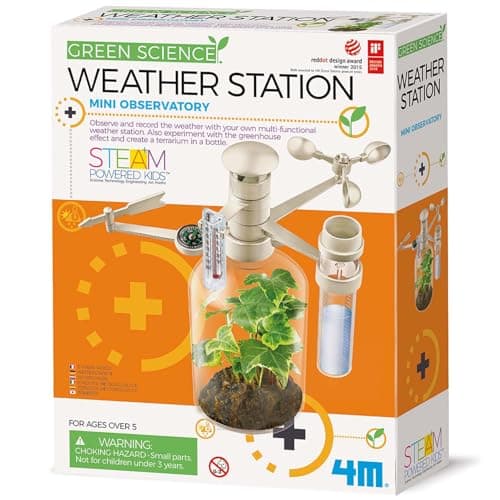
Best weather science kit
The rare science purchase with no consumables at all, ranked on published instruments and build difficulty.
Top pick
4M Weather Station Kit
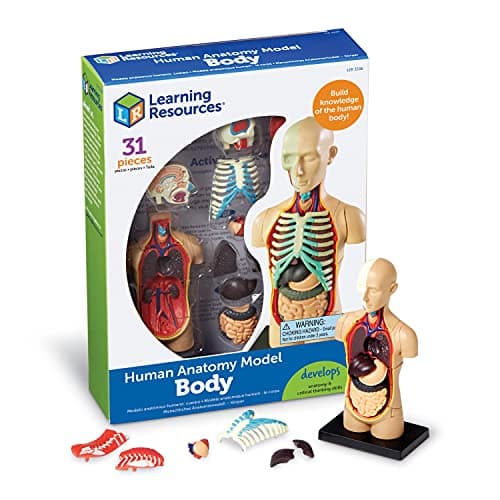
Best anatomy kit
Body and biology kits ranked on published part counts and whether the pieces are separately identifiable.
Top pick
Learning Resources Human Body Anatomy Model
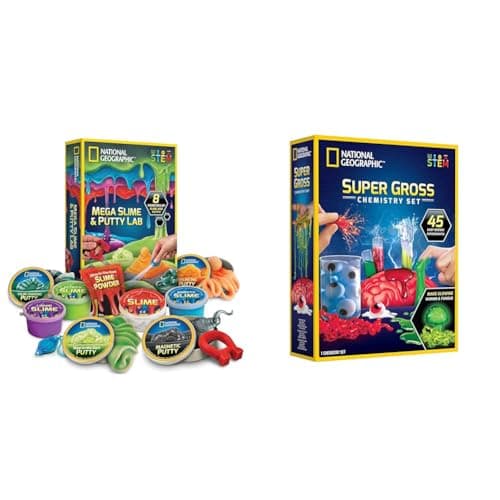
Best slime kit
Slime kits assessed on the published split between premade putty and actual experiments.
Top pick
NATIONAL GEOGRAPHIC Mega Slime Kit & Putty Lab
Best KiwiCo alternative
What to buy instead of a monthly craft box, ranked on published content per month and per year.
Top pick
NATIONAL GEOGRAPHIC Mega Science Lab

Best chemistry subscription
The one true chemistry subscription, and the arithmetic against buying a set once.
Top pick
MEL Chemistry monthly subscription
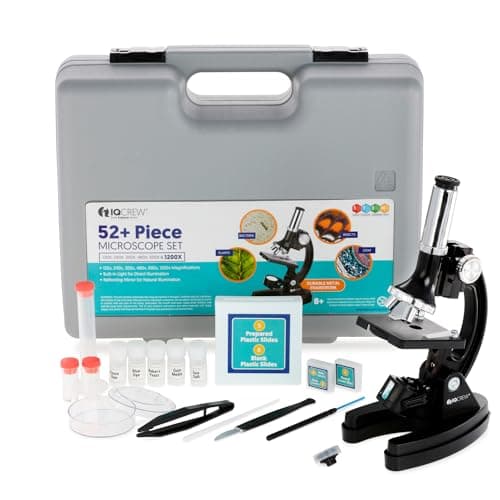
Best for teens
Compound microscopes for older students, and the honest read on 1200x claims.
Top pick
AmScope 120X-1200X Beginner Microscope Kit
Guide
The published age line in chemistry, and which set to buy on each side of it.
Top pick
Kids First Science Laboratory
Guide
Every kind of science purchase sorted by the age its maker publishes, from reusable tools at three to instruments with no rating at all.
Top pick
Kids First Science Laboratory
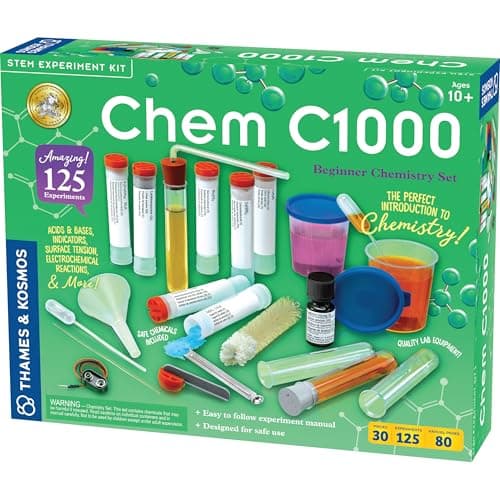
Best science kit for teens
The published ceiling in this category, what to buy once the age rating stops discriminating, and the 8-12 kit that gets bought for teenagers by mistake.
Top pick
Thames & Kosmos CHEM C1000
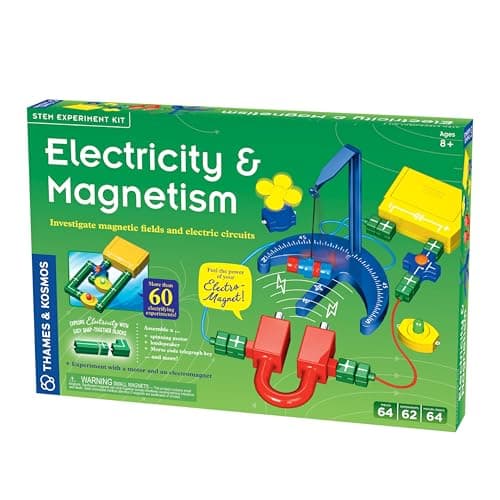
Best physics kit
The published experiment counts across the physics shelf, why electricity and magnetism belong in one box, and the levitation kit that teaches a single idea.
Top pick
Thames & Kosmos Electricity & Magnetism
Everything in this category falls into one of three buckets, and the bucket matters far more than the brand.
Consumable kits are used up. A geode kit publishes ten geodes; once cracked, they are cracked. A crystal-growing kit grows one crystal. These are experiences, not toys, and they are excellent value judged as experiences and poor value judged as toys. The failure mode is entirely in the framing: a child told they have a science kit expects it to still be a science kit in February.
Semi-consumable kits use up chemicals but keep the equipment. Thames & Kosmos’s C-series is the clearest example: the C500 publishes 28 experiments, a 48-page manual and five chemicals, and the company sells replacement chemicals separately. Bought with that in mind, it is a good deal — the glassware, the spatula and the safety glasses carry into the next set up the line. Bought as a permanent toy, it disappoints in a month.
Permanent equipment does not run out at all. A microscope is the standout: the specimens are free and infinite, because they are the garden. A telescope is the same, more so — the sky changes every month whether or not anyone opens the box. These are the only purchases in this category that pass the Replay Signal outright, and it is why they sit at the top of our picks despite costing more up front than most kits.
Experiment counts are the headline number and they need care. A kit advertising “100 experiments” and one advertising “28 experiments” may deliver similar amounts of actual science, because there is no standard for what counts as one. Look instead for two published figures that are much harder to inflate: the manual page count, and the number of distinct chemicals or components.
Manual pages are a decent proxy for depth. A 48-page manual covering 28 experiments is giving roughly a page and a half to each, which is enough for a method, an explanation and a why. A kit claiming a hundred experiments in a twelve-page leaflet is claiming something else.
Component counts are the other honest number, and they matter because real science kits work by recombination. Five chemicals is not five experiments, it is a small combinatorial space, and a good manual walks through it. That is exactly what the C-series does, and it is why Thames & Kosmos publishing its complete manuals free on its own site is unusually useful — you can read the entire experiment list before you spend anything.
Chemistry sets sold in the US and Europe are made to published standards. Thames & Kosmos states compliance with EN 71-4, the European standard specifically for chemistry experiment kits, and the general US standard for toy safety is ASTM F963. Those are real documents with real requirements, and a kit that names the standard it meets is telling you something a kit that says “safe for kids!” is not.
What the standards do not do is tell you whether your child should be doing it alone. That is a judgment, and our position is boring: at the bottom of a 10+ rating, sit with them. Not because the chemicals are dangerous when used as directed, but because the first time a reaction does something unexpected is the moment the science actually lands, and it lands better with someone to say it to.
A subscription solves the consumable problem by leaning into it: each crate is used up, and another arrives. KiwiCo publishes a clear ladder by age — Kiwi Crate at 6 to 9, Tinker Crate at 9 to 12, Eureka at 12 and up — and MEL Science publishes two to three experiments per monthly set for ages 10 and up.
The honest framing is that you are buying twelve projects, not one toy, and it should be priced against twelve months of anything else rather than against a box on a shelf. Where subscriptions genuinely win is for a child who likes the ritual as much as the science. Where they lose is when nobody is around to do the project on the day it arrives, and three unopened boxes accumulate on top of the fridge.
For a first purchase, we usually route people to a microscope instead — permanent, open-ended and cheaper across a year than most subscriptions. If the child is already interested and you want to keep feeding it, the subscription page does the annual arithmetic properly.
Questions people actually ask
Thames & Kosmos publishes 28 experiments and a 48-page manual for the C500, with five chemicals included. Treat published experiment counts as a rough guide and the manual page count as the better indicator of depth, since there is no standard definition of one experiment. The chemistry set picks.
Sets sold in Europe are made to EN 71-4, the standard covering chemistry experiment kits, and Thames & Kosmos states compliance with it. US toys are covered by ASTM F963. A kit that names its standard is giving you something checkable; one that only says it is safe is not.
A microscope or a telescope. Both are equipment rather than kits: the specimens are whatever you find, and the sky changes on its own. They are the only purchases in this category that pass our replay test outright. The microscope picks.
They are worth it if someone will reliably sit down with the child on the day the box arrives. They are poor value if boxes accumulate unopened, which is the common failure. Price them as twelve projects across a year rather than as a toy.
Sources
Every specification on this page traces to one of these. If a manufacturer publishes nothing on a point, the page says so rather than filling the gap.
Not sure where to start? Try shopping by age instead, or read how we pick.